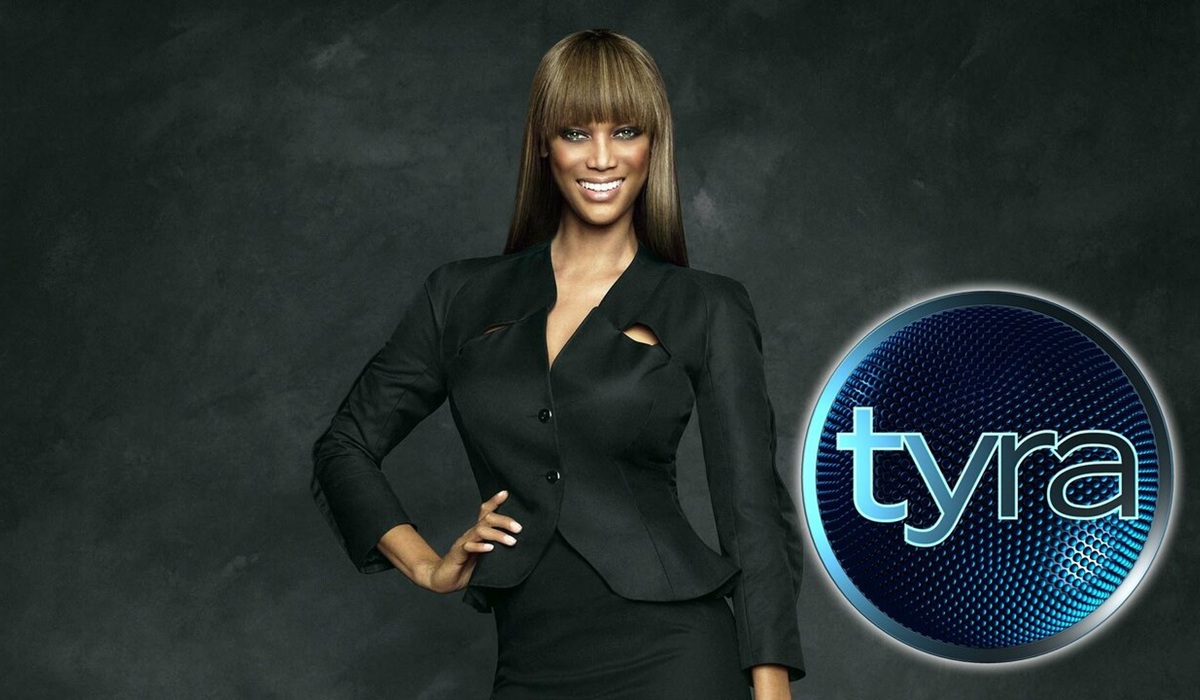
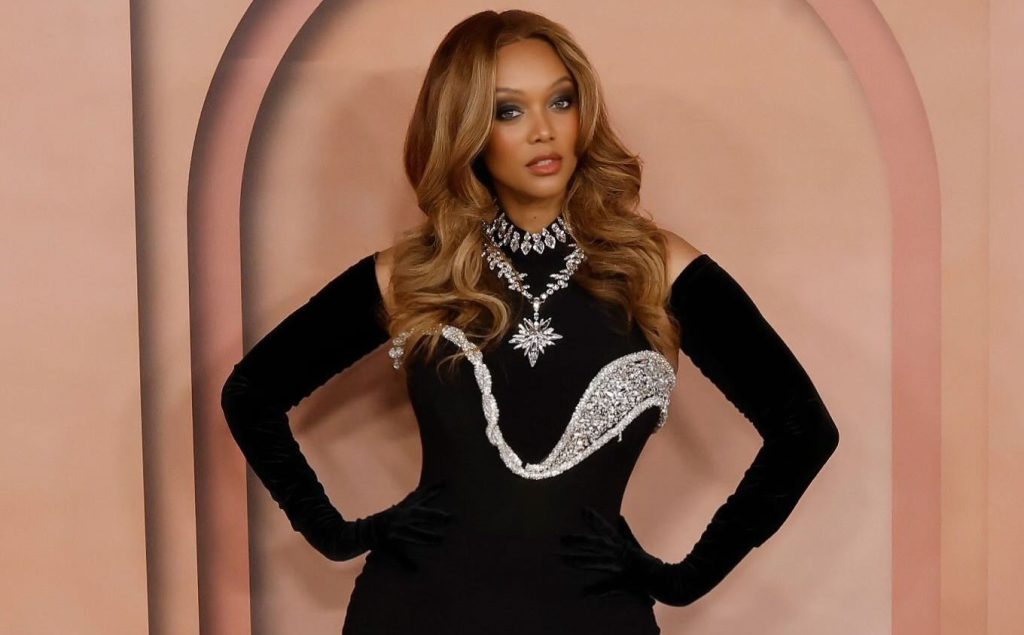
The Tyra Banks Show was an American daytime talk show hosted by model and television personality Tyra Banks, which aired in syndication from 2005 to 2009, before concluding its final season on The CW in 2010. The show was produced by Banks’ own production company, Bankable Productions. It was positioned as a platform for younger women seeking conversations about real-life issues beyond the typical celebrity-driven daytime fare.
The program primarily targeted young women with discussions on fashion, beauty, relationships, self-image, and social issues, featuring segments such as makeovers, celebrity interviews, audience advice, and Banks’ undercover experiences in various roles. One of the show’s most distinctive recurring elements saw Banks go undercover in different environments — including posing as a prison inmate and a homeless person — to shine a light on social issues firsthand. These segments gave the show a distinct identity, setting it apart from many of its daytime competitors.
The show achieved notable early success, attracting 2.2 million weekly viewers among women aged 18–34 and securing a second-season renewal by appealing to teen audiences with its relatable and bold content. In its later seasons, the programming expanded to include more tabloid-style topics and social issue investigations, broadening its reach but also shifting its tone. Throughout its run, the show regularly featured Banks’ personal stories and candid confessionals — including her own battles with self-esteem and body image — giving it an intimate, diary-like quality unusual for daytime television.
After five seasons, Banks chose to end the show on her own terms. Wrapping up its fifth season in the spring of 2010, Banks announced she would focus on launching Bankable Studios, a New York-based film production company, with the ambition of bringing positive images of women to the big screen. The show’s legacy endures as one of the more culturally engaged daytime talk programs of its era, particularly for its willingness to address body image, race, and gender identity at a time when few daytime shows did so directly.